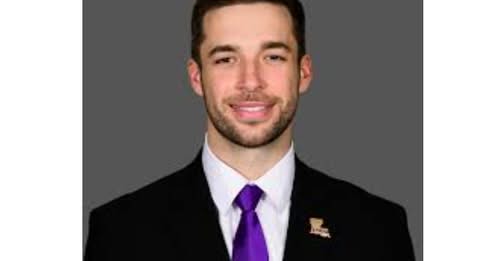
Jordan has been publicly associated with the LSU football program as a staff member, making the false claim particularly likely to attract attention among Tigers supporters.
Is Sawyer Jordan Dead?
There is no credible evidence establishing that Sawyer Jordan has died.
Online claims concerning his supposed death should therefore not be presented as an obituary or confirmed breaking news.
A genuine death involving a member of a major college football program would ordinarily be expected to produce confirmation through the university, athletics department, relatives or established media.
In this case, reliable confirmation supporting the viral death claim has not emerged.
Reports instead describe the story as a death hoax.
Sawyer Jordan has been associated with the LSU Tigers football program.
He has worked within the program's football operations rather than being a current LSU player.
Because of LSU's national profile in college football, people associated with the program can quickly become the subjects of widely shared social-media discussions.
That visibility also creates an environment where false reports can spread rapidly before users check whether an official announcement exists.
What Happened With the Sawyer Jordan Death Rumor?
Posts began circulating online claiming that Sawyer Jordan had died.
Such claims can gain traction quickly because obituary-style headlines often contain a person's full name, organization and emotionally charged language.
However, repetition does not make a claim accurate.
Multiple websites can also repeat information from the same original source, creating the appearance of independent confirmation when none exists.
The absence of authoritative confirmation is therefore significant.
LSU Sawyer Jordan Death Claim Explained
The central issue surrounding the story is not a confirmed death but a false or unsupported viral claim.
Readers searching for "Sawyer Jordan obituary," "Sawyer Jordan death" or "LSU Sawyer Jordan died" may encounter pages or social-media posts suggesting that he passed away.
Those search results should not themselves be treated as evidence.
A credible death report requires confirmation beyond a headline or social-media post.
No Confirmed Sawyer Jordan Obituary
There is no verified funeral-home obituary or family death notice establishing Sawyer Jordan's death.
For that reason, websites should avoid publishing an article titled "Sawyer Jordan Obituary" as though his death were established.
Doing so could amplify misinformation.
A correction or fact-check format is more appropriate.
No Confirmed Cause of Death
Because there is no credible evidence confirming Sawyer Jordan's death, there is also no legitimate cause of death to report.
Any website claiming to know how Jordan supposedly died should be treated cautiously unless it provides verifiable evidence from his family, LSU, law enforcement, medical authorities or another authoritative source.
A cause of death cannot responsibly be assigned to someone whose death itself has not been established.
Why Death Hoaxes Spread Quickly
False celebrity, athlete and public-figure death reports are common online.
They often spread because emotionally charged headlines encourage users to share them before checking the original source.
Search-engine optimization can compound the problem.
Once people begin searching a person's name alongside terms such as "death," "obituary," "accident" or "cause of death," additional websites may create articles targeting those searches.
That can make an unsupported rumor appear more credible than it actually is.
Social Media Is Not Confirmation
A Facebook post, TikTok video, X post or viral screenshot does not independently confirm someone's death.
Even hundreds of posts repeating the same claim can originate from one inaccurate source.
Readers should instead look for confirmation from organizations directly connected to the person.
In Jordan's case, that would include LSU and its athletics program, along with a verified family statement or established news organization citing identifiable sources.
Why Accurate Reporting Matters
False death reports can have consequences beyond misleading readers.
They can cause unnecessary distress to relatives, friends, colleagues and supporters of the person named.
They can also damage the credibility of websites that publish unverified claims.
News publishers should therefore distinguish between:
A reported but unverified death.
And a demonstrably false death rumor.
The Sawyer Jordan story belongs in the latter category unless credible new evidence emerges.
LSU football is one of the most prominent programs in American college football.
Its staff members work behind the scenes alongside coaches, players and administrators to support the program.
Because of the Tigers' large following, rumors involving anyone connected with LSU can quickly reach audiences far beyond Baton Rouge.
That appears to have contributed to the attention surrounding the Sawyer Jordan claim.
There are no legitimate funeral or memorial arrangements to report in connection with the viral Sawyer Jordan death claim.
Publishers should not create service dates, funeral locations, family statements or memorial information.
If a death has not occurred, such details would compound the original misinformation.
The most important fact is simple:
Sawyer Jordan's reported death should not be treated as genuine based on the viral posts circulating online.
No authoritative death announcement has substantiated the claim.
No verified obituary has established his passing.
No credible cause of death has been announced.
No legitimate funeral arrangements have been confirmed.
The viral story should therefore be described as a false death report or hoax rather than an obituary.
How to Verify Similar Death Reports
Readers encountering breaking reports of someone's death should look beyond the headline.
Official family announcements, funeral-home notices, police or coroner statements, employers, universities, sports organizations and established news outlets can provide stronger confirmation.
It is also important to check whether multiple websites are independently reporting a story or merely copying one another.
A large number of nearly identical articles does not necessarily represent multiple sources.
Sawyer Jordan Death Hoax Serves as Warning
The Sawyer Jordan rumor demonstrates how quickly misinformation can become attached to someone's name online.
Within hours, searches for a person's name can become associated with terms such as "obituary" and "cause of death" even when the underlying claim is false.
Publishers and social-media users have a responsibility to avoid strengthening those rumors.
Verification should come before publication, particularly when reporting something as serious as a person's death.
Final Update on Sawyer Jordan
At this stage, the appropriate conclusion is that the viral Sawyer Jordan death claim is not a legitimate obituary report.
The LSU football staff member should not be described as deceased without credible evidence establishing otherwise.
Readers who encounter posts claiming Jordan died should check official LSU sources and established reporting before sharing them.
Until credible evidence changes the situation, articles presenting Sawyer Jordan's death as fact risk spreading misinformation.
The responsible headline is therefore not "Sawyer Jordan Obituary."
Sawyer Jordan death reports are a hoax, and the viral claim should not be treated as fact.